
Team
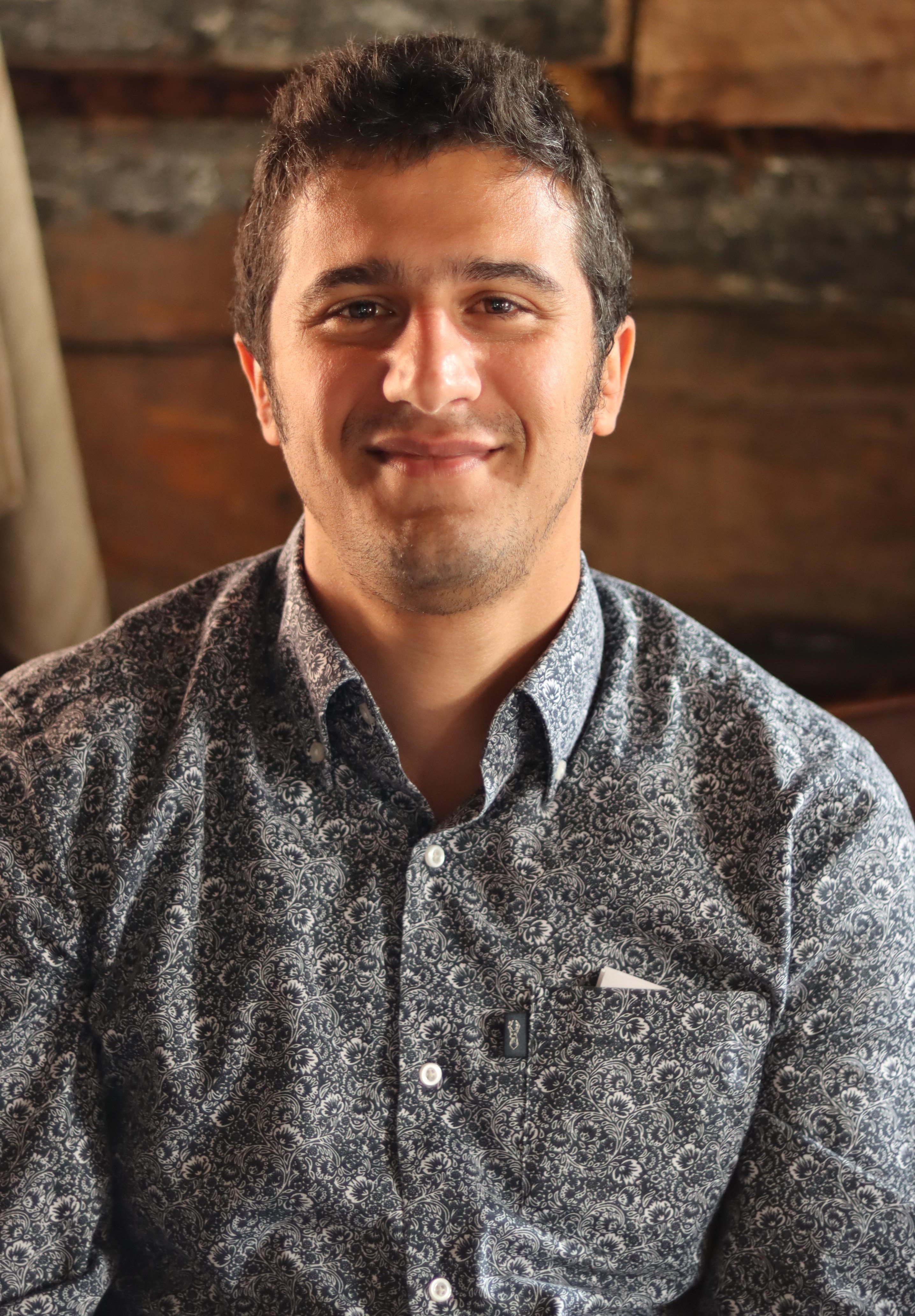
Dr. Amir Naghibi
Head of Smart-Geo-AI Research Laboratory
Associate Professor in Water Resources Engineering



Email: amir.naghibi@tvrl.lth.se
Phone: +46 46 222 73 56
Overview
Dr. Amir Naghibi is a Professor (Associate) in the Division of Water Resources Engineering and the Center for Advanced Middle Eastern Studies (CMES) at Lund University, Lund, Sweden. His work sits at the intersection of Artificial Intelligence (AI), Computer Science, Remote Sensing, and Hydrology, addressing the water-climate-food-energy nexus. He designs and develops human-centered AI-driven decision support and policy modelling systems that translate complex environmental data into actionable intelligence for policymakers, water managers, and stakeholders bridging the gap between computational innovation and the socio-institutional contexts in which water governance decisions are made.
Research and impact
His institutional embedding in CMES and the MECW strategic research area (The Middle East in the Contemporary World), alongside scholars in political science, human geography, and conflict studies, reflects a sustained engagement with the social, political, and governance dimensions of water challenges, particularly in transboundary and fragile contexts. His recent research on translating AI-driven spatial analysis into governance-ready water quality policy frameworks at European level exemplifies this interdisciplinary approach.
Further information
Dr Naghibi has published more than 50 papers in peer-reviewed journals with over 7,000 citations leading to an H-Index of 34. He has been listed in Stanford University's "World's Top 2% Scientists" for six years from 2020 to 2025, demonstrating his broad and significant scientific influence.
Further information
He currently leads the AI and Decision Support System development in the Horizon Europe project FARMWISE (Future Agricultural Resource Management and Water Innovations for a Sustainable Europe), serving as WP leader and executive board member. In this capacity, he is responsible for designing an AI-based policy modelling system aligned with end-user decision-making workflows and stakeholder needs in agricultural water management. He also contributes to AGRILEAP, which employs co-creation methodologies for climate resilience in Swedish agriculture, and SWIFT, which addresses environmental monitoring under conditions of conflict and governance stress.
Teaching
Dr. Naghibi teaches "Machine Learning for Water Engineers," "Water, Society, and Climate Change," and "Hydromechanics" at Lund University. His course "Water, Society, and Climate Change" addresses governance frameworks, equity, and the societal dimensions of climate adaptation. He developed and coordinated the PhD course "Machine Learning for Water Engineers," delivered four times across Lund University and SMHI, integrating theory with applied, problem-oriented learning.
Team Members
-
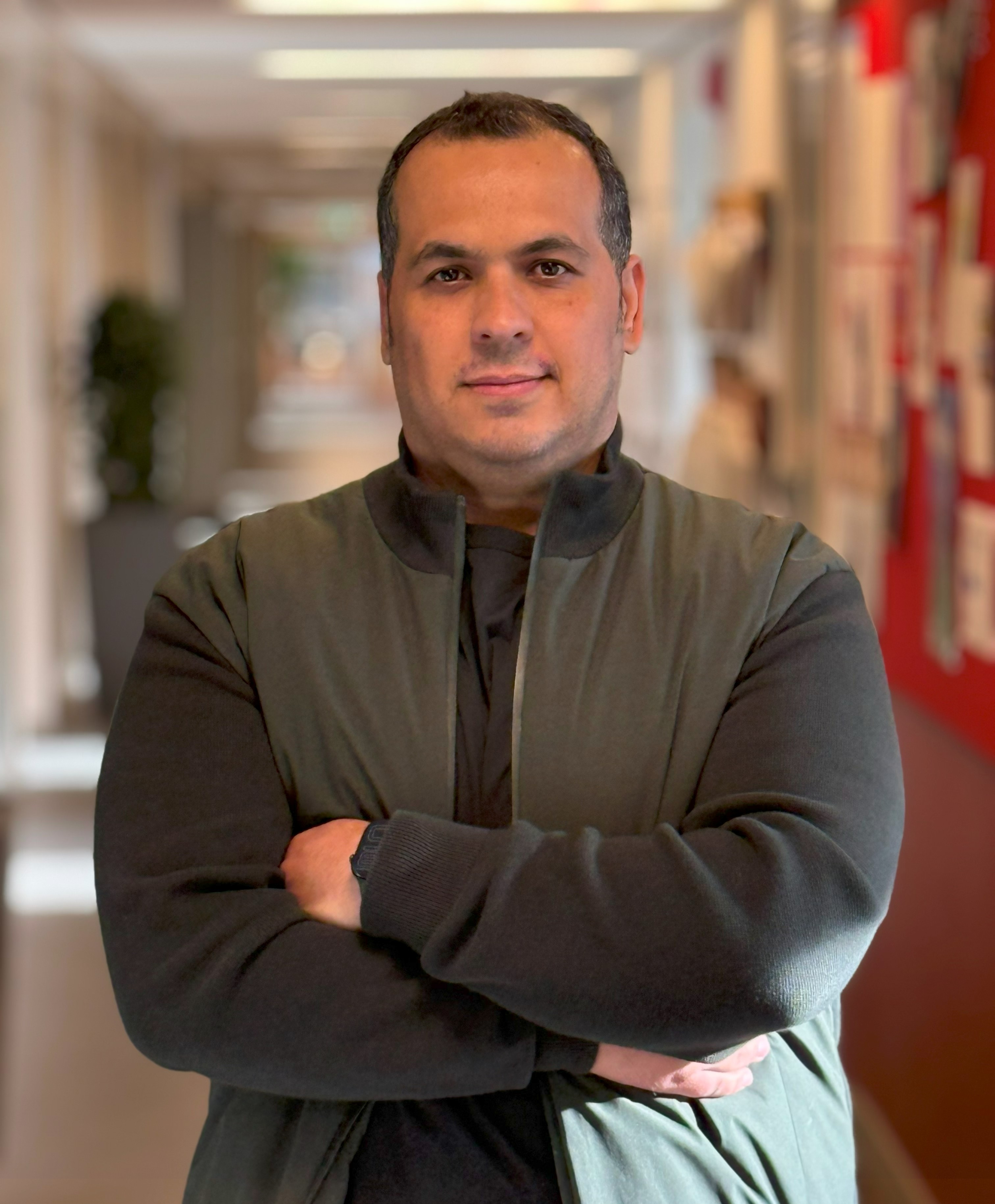
Dr. Kourosh Ahmadi
Affiliation: Lund University
Email: kourosh.ahmadi@tvrl.lth.se
He is a Geospatial Data Scientist specializing in Artificial Intelligence, remote sensing, and environmental modeling. His work focuses on developing machine learning and deep learning solutions to analyze Earth observation data and address challenges in biodiversity, ecosystems, and water quality.
By integrating satellite imagery, spatial analytics, and AI-driven approaches, he transforms complex geospatial data into meaningful insights that support sustainable resource management, conservation, and evidence-based decision-making.
-
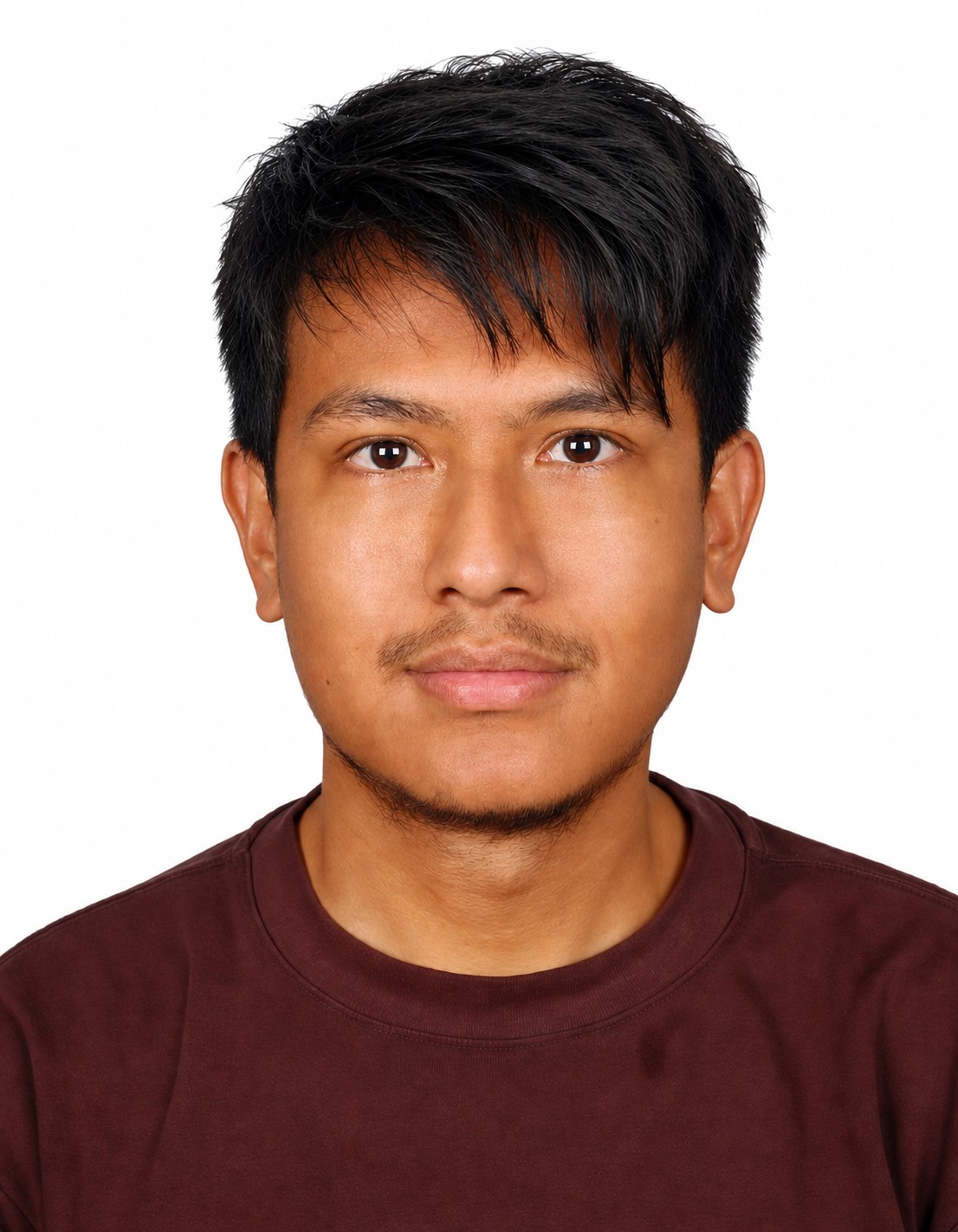
Mr Aakash Thapa
Affiliation: Lund University
Email: aakash.thapa@tvrl.lth.se
Aakash Thapa is a PhD candidate in the Division of Water Resources Engineering at Lund University. He received his MSc in Engineering and Technology from the Sirindhorn International Institute of Technology (SIIT), Thammasat University, and his BE in Geomatics Engineering from Kathmandu University.
His research focuses on the application of remote sensing, GIS, and artificial intelligence for environmental monitoring and assessment, including water resources, agriculture, and natural hazards.
Advisory Board
-
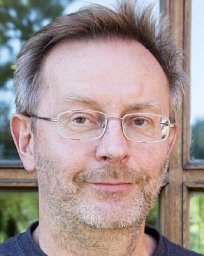
Prof. Ronny Berndtsson
Affiliation: Lund University
Email: ronny.berndtsson@tvrl.lth.se
Ronny Berndtsson is CMES Director and MECW Scientific Coordinator of the Lund University Strategic Research Area “Middle East in the Contemporary World (MECW)”. He is also coordinating the Horizon EU project FarmWise (Future Agricultural Resource Management and Water Innovations for a Sustainable Europe, 2024-2026) and SmartWater4Future 2024-2027.
His major fields of research are hydroclimatological processes by dynamical systems, rainfall space-time variability and modeling, soil water and solute transport in heterogeneous soils, urban drainage and related pollutant transport, and hydropolitics and hydrosolidarity in the Middle East.
-
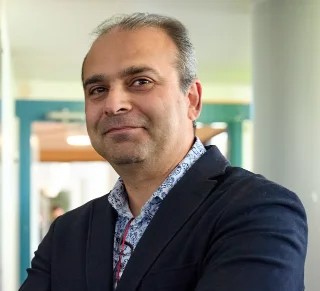
Assoc. Prof. Hossein Hashemi
Affiliation: Lund University
Email: hossein.hashemi@tvrl.lth.se
Hossein Hashemi is an Associate Professor (Senior Lecturer) in Water Resources Engineering at Lund University, Sweden, and a researcher at the Centre for Advanced Middle Eastern Studies (CMES). He received his PhD in Water Resources Engineering from Lund University in 2014 and subsequently conducted postdoctoral research at Stanford University’s Center for Groundwater Evaluation and Management (2015–2017).
His research focuses on sustainable water-resources management, groundwater hydrology, remote sensing, artificial intelligence, climate-change impacts, and hydrogeodesy, with particular emphasis on water-scarce and arid regions. His work integrates satellite observations, InSAR, hydrological modelling, and machine-learning approaches to investigate groundwater dynamics, land subsidence, precipitation, drought, and water security. He has contributed extensively to interdisciplinary research connecting hydrology, Earth observation, climate science, and sustainable development, including applications in the Middle East and other water-stressed regions.
-
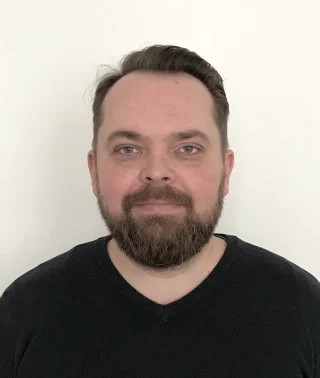
Mr. Sebastian Puculek
Affiliation: Lund University
Email: Sebastian.Puculek@tvrl.lth.se
Sebastian Puculek is a Project Coordinator at Lund University’s Division of Water Resources Engineering, supporting international research and innovation projects in water, agriculture, and sustainability. With experience in stakeholder engagement, innovation development, and collaborative research initiatives, Sebastian works closely with academic and industry partners to help translate research into practical impact.
Alumni and Visiting Guests and Visiting Professors
-
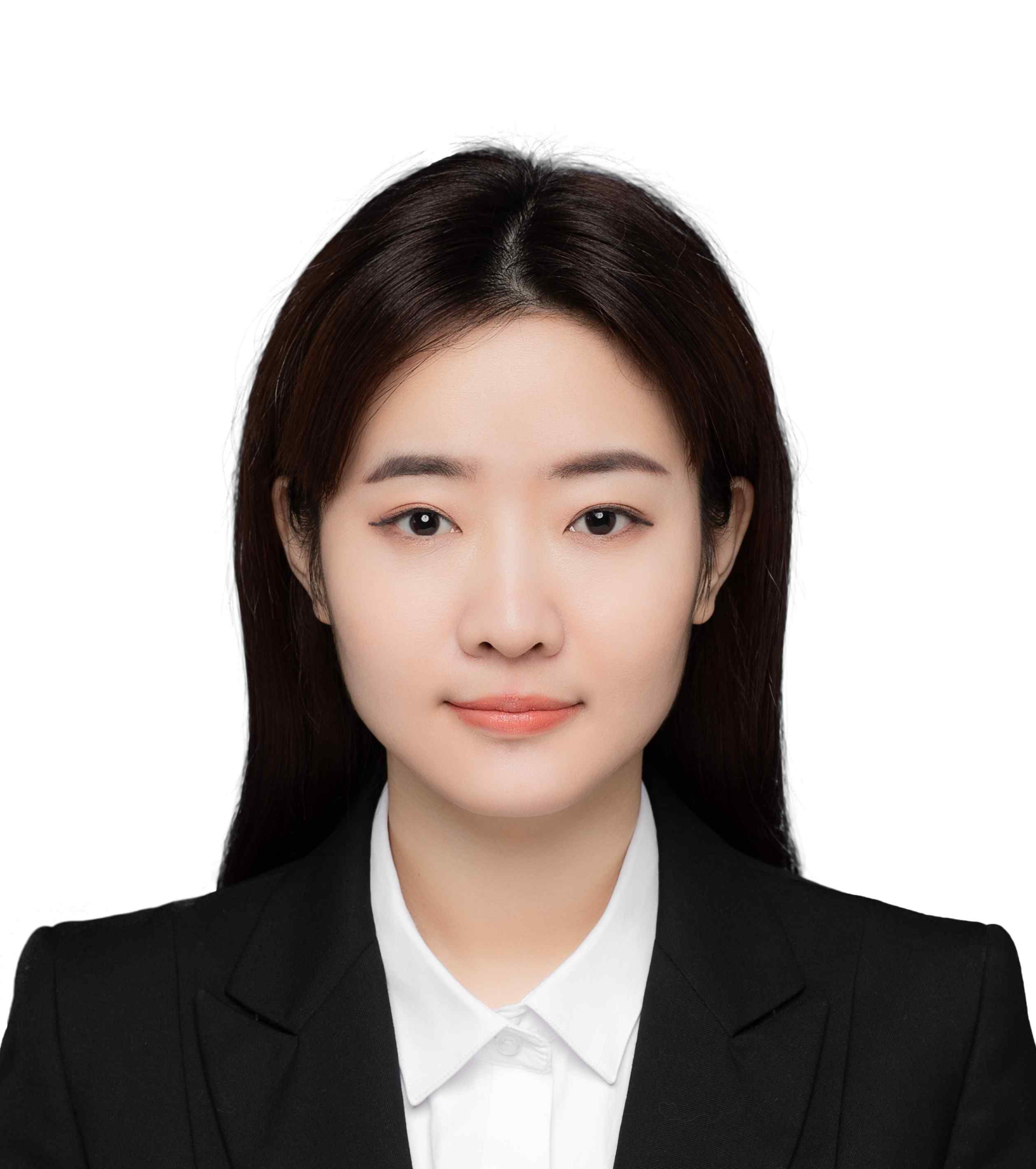
Dr Nan Wu
Affiliation: Visiting Researcher, Lund University
I am a researcher in AI and remote sensing applied to hydrology. My work focuses on combining machine learning methods with process-based hydrological models to better simulate and understand hydrological systems. Remote sensing data are used as key inputs and physical constraints to enhance model reliability and generalization.
-
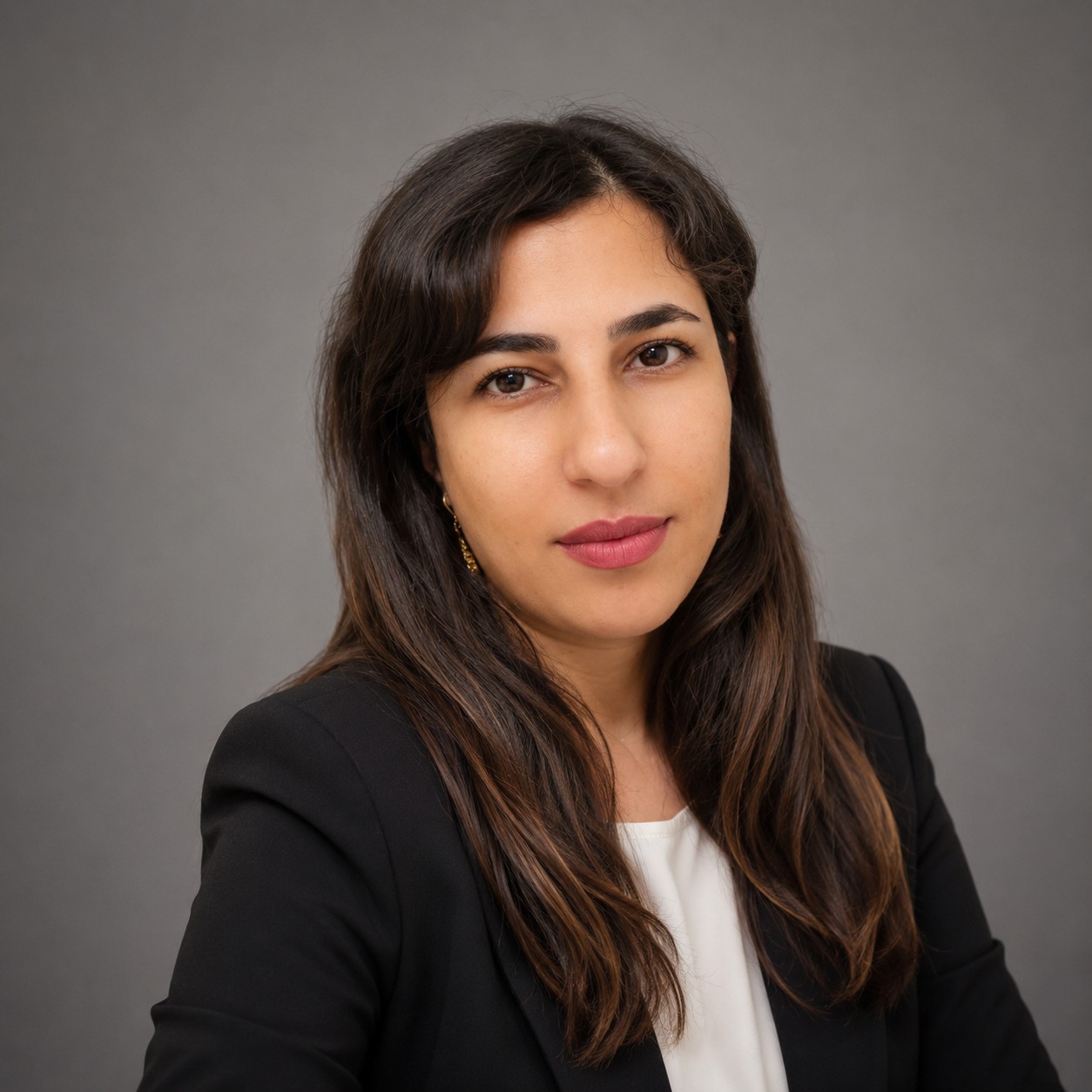
Dr Maryam Sayadi
Affiliation: Visiting Researcher, Lund University
I hold a Ph.D. in Water Resources Engineering and am passionate about applying Artificial Intelligence and Remote Sensing to address environmental and water-related challenges. My research focuses on developing data-driven and AI-based approaches for water quality assessment, environmental monitoring, and climate change impact analysis.
As a visiting researcher at Lund University, I worked with Earth observation and remote sensing data, expanding my expertise in geospatial technologies and environmental applications. My interests include machine learning, GeoAI, satellite data analysis, and hydro-environmental modeling.
I am particularly interested in combining AI and Earth observation data to support sustainable water resources management and improve our understanding of complex environmental systems.
-
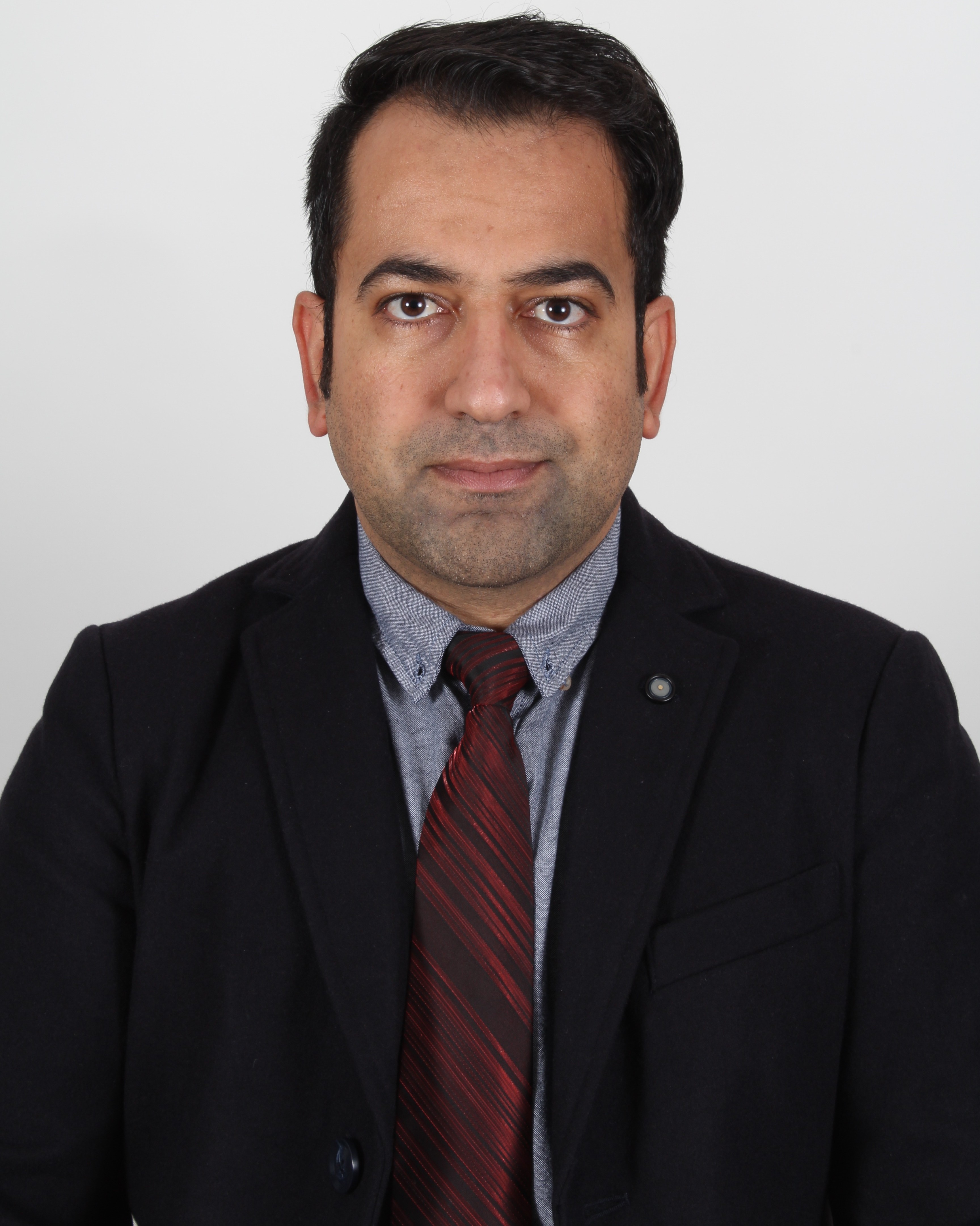
Mr Reza Nikravesh
Affiliation: Visiting Researcher, Lund University
Reza is a PhD researcher at the University of Calabria, Italy, specializing in the application of Artificial Intelligence (AI) and Remote Sensing for environmental risk assessment and management. He holds an M.Sc. in Civil Engineering (Water Engineering) from Iran University of Science and Technology, Iran, and has several years of professional experience in river engineering at the Regional Water Company of Yazd, Iran.
His research focuses on integrating satellite imagery, UAV data, machine learning, and AI techniques for drought and wildfire monitoring, multi-hazard risk assessment, and web-based decision support systems. He has collaborated with international research institutions, including Lund University (Sweden), Washington State University (USA), and the University of Nevada, Las Vegas (USA). His current work aims to develop AI-driven remote sensing solutions for sustainable environmental management.
-
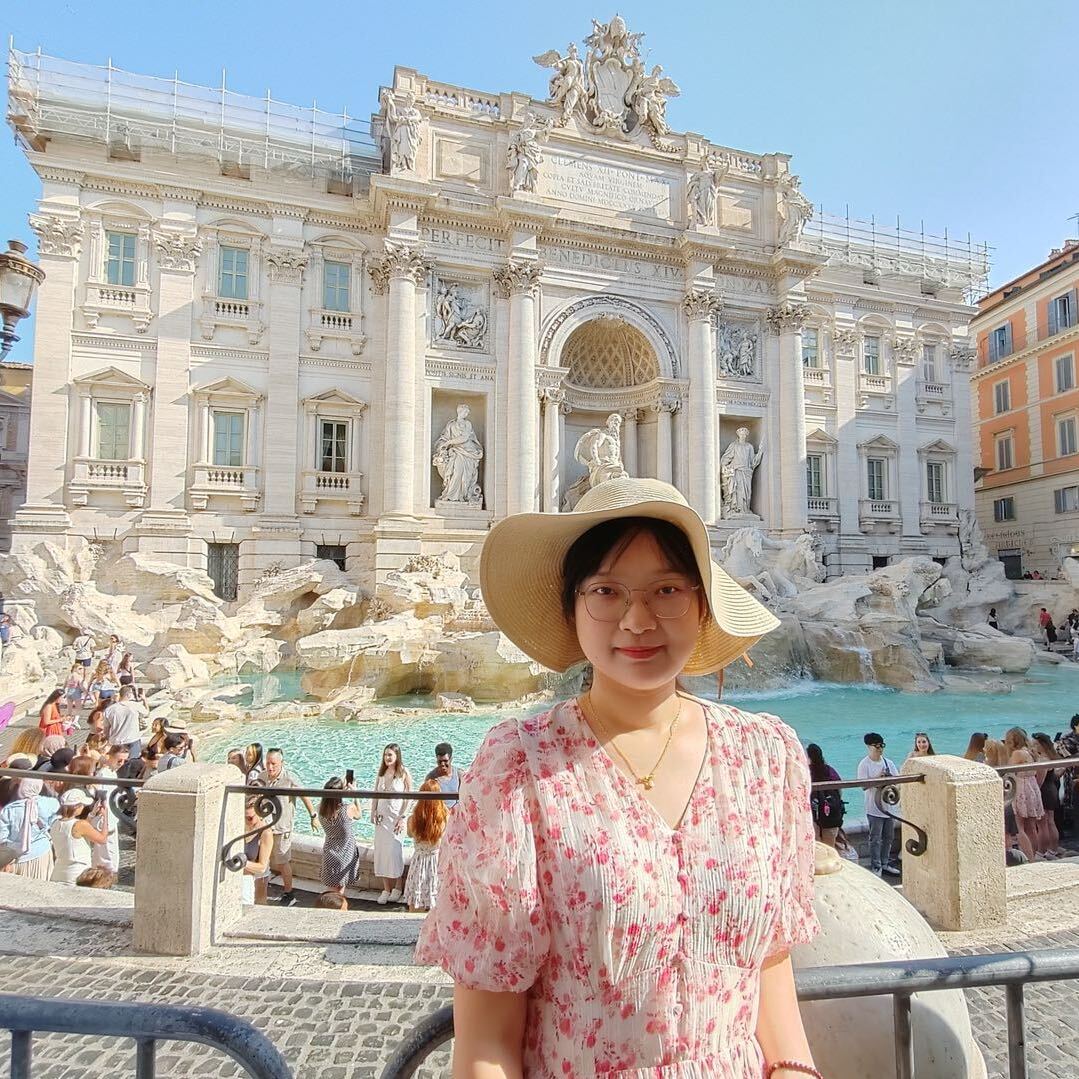
Ms Xiaoman Jiang
Affiliation: Lund University
I have experience in remote sensing, hydrological and hydraulic modelling, and spatiotemporal data analysis. My work involves integrating geospatial information derived from remote sensing datasets into hydrological analysis, flood modelling, and water-related risk assessment.
I am particularly interested in combining AI methods with hydrological and hydraulic models. By leveraging remote sensing and spatiotemporal datasets, I aim to improve model prediction, calibration, and computational efficiency while preserving physical consistency and interpretability.